Ancient passages within book of the dead unlock secrets to Egyptian afterlife beliefs and rituals The Evolution of th


Ancient passages within book of the dead unlock secrets to Egyptian afterlife beliefs and rituals The Evolution of the Papyrus Scrolls The Role of Scribes and Artists Navigating the Underworld: Ke…

The ancient Egyptian concept of the afterlife was deeply ingrained in their culture, influencing their art, architecture, and religious practices for millennia. Central to understanding these beliefs is the book of the dead, a collection of spells, hymns, and illustrations intended to assist the deceased in navigating the perilous journey through the underworld and achieving eternal life. This wasn't a single, standardized text, but rather a compilation of texts that evolved over time, tailored to individual needs and reflecting the shifting theological landscape of ancient Egypt. It offers an invaluable window into their understanding of morality, judgment, and the hope for a continuation of existence beyond death.
The elaborate rituals surrounding death and burial in ancient Egypt were predicated on the belief that preserving the body and providing the deceased with the necessary provisions for the afterlife were essential. The book of the dead served as a guide, offering specific instructions for overcoming obstacles, appeasing deities, and ultimately passing the final judgment before Osiris, the god of the underworld. Its depictions of gods, demons, and scenes from the afterlife provide a rich and complex picture of the Egyptian worldview, revealing their fears, aspirations, and profound spiritual beliefs. Understanding these texts allows us a glimpse into the psychological and emotional landscape of a civilization obsessed with immortality.
Initially, the spells and rituals now associated with the book of the dead were inscribed on the walls of tombs, particularly during the Old Kingdom and First Intermediate Period. These inscriptions, known as the Pyramid Texts and Coffin Texts, were reserved for royalty and high-ranking officials. Over time, the practice of writing these spells on papyrus scrolls became more common, starting in the New Kingdom. This democratization of access allowed a wider range of individuals to benefit from the protective and guiding power of these texts. The papyrus scrolls, often beautifully illustrated, were carefully placed within the coffin or burial chamber, intended to accompany the deceased on their journey. The quality and length of these scrolls varied considerably, depending on the wealth and status of the individual.
The creation of a book of the dead was a collaborative effort, involving skilled scribes who meticulously copied the spells and hymns, and artists who produced vibrant illustrations. Scribes underwent rigorous training to master the complex hieroglyphic script, ensuring the accurate transmission of the sacred texts. Illustrations weren’t merely decorative; they played a crucial role in the efficacy of the spells, depicting scenes from the underworld and providing visual representations of the deities who would be encountered. The quality of artwork often reflected the client’s social standing and ability to afford skilled artisans. The combination of text and imagery created a powerful and evocative artifact, intended to guide and protect the deceased in the afterlife.
| Period | Name of Text | Typical Location | Accessibility |
|---|---|---|---|
| Old Kingdom | Pyramid Texts | Walls of Royal Pyramids | Reserved for Pharaohs |
| First Intermediate Period & Middle Kingdom | Coffin Texts | Inside Coffins | Elite & High Officials |
| New Kingdom | Book of the Dead | Papyrus Scrolls | Widely Available (varying quality) |
The standardization of certain spells and vignettes, like the Weighing of the Heart ceremony, across different scrolls suggests a common theological understanding, even as regional variations and individual preferences persisted. The ongoing evolution of the text demonstrates the dynamism of Egyptian religious beliefs and the enduring human quest for meaning and immortality.
The book of the dead is not a linear narrative; it’s a collection of independent spells designed to address specific challenges in the underworld. Many spells focus on providing the deceased with the necessary knowledge and power to overcome obstacles and avoid dangers. Spell 17, for example, provides instructions for preventing the deceased’s heart from testifying against them during the final judgement. Other spells aim to transform the deceased into various creatures, enabling them to move freely through the underworld or access specific realms. Understanding the purpose and function of these spells offers insight into the perceived nature of the afterlife and the challenges faced by the deceased.
Central to the Egyptian conception of the afterlife was the judgment before Osiris, the god of the underworld. This process involved the weighing of the heart against the feather of Ma’at, the goddess of truth and justice. Anubis, the jackal-headed god of embalming and the protector of the dead, presided over the weighing ceremony. If the heart was lighter than the feather, the deceased was deemed worthy of eternal life and admitted into Osiris’s kingdom. However, if the heart was heavier, weighed down by sin and wrongdoing, it was devoured by Ammit, a fearsome creature with the head of a crocodile, the torso of a lion, and the hindquarters of a hippopotamus – resulting in the final and utter destruction of the soul. The Weighing of the Heart scene is perhaps the most iconic representation of Egyptian beliefs about judgment and morality.
The emphasis on moral conduct in the book of the dead reveals a sophisticated ethical framework that valued honesty, compassion, and reverence for the gods. The ultimate goal wasn't simply to survive death, but to live a virtuous life worthy of eternal reward.
The spells within the book of the dead were not intended to be read passively; they were often recited as part of elaborate burial rituals. Priests and relatives would chant the spells, perform symbolic actions, and offer prayers to ensure the deceased’s successful passage through the underworld. The illustrations accompanying the spells served as visual aids, reinforcing the power of the words and providing a concrete representation of the spiritual realm. The vibrant colors and detailed imagery were not merely aesthetic choices; they were believed to possess magical properties, enhancing the efficacy of the spells. The overall effect was to create a powerful and immersive experience, designed to facilitate the deceased’s transformation and integration into the afterlife.
Alongside the book of the dead, a variety of amulets and funerary objects were placed within the coffin or burial chamber to further protect and assist the deceased. These objects, crafted from precious materials like gold, lapis lazuli, and carnelian, were believed to possess magical powers. The scarab beetle amulet, for example, symbolized rebirth and regeneration, while the djed pillar represented stability and endurance. The inclusion of these objects demonstrates the Egyptians’ holistic approach to ensuring a successful afterlife, combining textual spells, visual representations, and material objects to create a comprehensive system of protection and support. The careful selection and placement of these items reflected the belief that every aspect of the burial ritual contributed to the ultimate goal of achieving immortality.
The Egyptians believed that establishing a continuous link between the earthly realm and the afterlife was paramount, and these practices were designed to maintain that connection.
While there were core spells and vignettes that appeared consistently across different versions of the book of the dead, significant regional variations existed. The Theban recension, originating in the city of Thebes, became the most popular and widely distributed version, but other regional traditions, such as those from Memphis and Saqqara, also flourished. These variations reflect the diverse theological and artistic traditions of different regions, as well as the individual preferences of scribes and patrons. Each scribe brought their own artistic sensibility and interpretative understanding to the text, resulting in unique and individualized versions of the book of the dead. Analyzing these variations provides valuable insights into the dynamic nature of Egyptian religious beliefs and the ongoing evolution of the afterlife tradition.
Furthermore, the quality of the papyrus, the skill of the scribe, and the richness of the illustrations all varied depending on the resources available to the individual or family commissioning the book of the dead. A more elaborate and beautifully illustrated version was a status symbol, demonstrating wealth and piety. The existence of abbreviated or simplified versions suggests that even those with limited resources sought to benefit from the protective power of these sacred texts. This highlights the widespread appeal of the afterlife beliefs and the enduring human desire for immortality.
The book of the dead continues to fascinate scholars and enthusiasts today, providing a unique window into the ancient Egyptian worldview. Its vivid illustrations and evocative spells have inspired countless works of art, literature, and film. Modern interpretations often focus on the psychological and symbolic aspects of the text, exploring the themes of death, rebirth, and the search for meaning. The enduring appeal of the book of the dead lies in its ability to resonate with universal human concerns about mortality and the hope for a life beyond death. Its influence can be seen in various aspects of contemporary culture, from fantasy literature to spiritual practices.
Increasingly, researchers are utilizing digital technologies to create virtual reconstructions of ancient Egyptian tombs and papyrus scrolls, allowing for immersive explorations of the afterlife as envisioned by the ancient Egyptians. These digital initiatives are not only enhancing our understanding of the book of the dead but also making it accessible to a wider audience. The continued study of this remarkable text promises to unveil even more secrets about ancient Egyptian beliefs and the enduring human quest for immortality, pushing the boundaries of archeological understanding and revealing further depths to a civilization that continues to captivate the modern imagination.

服务地址:天津市和平区赤峰道136号天津国际金融中心26层
服务专线:400-992-0312
本文tag:
本文链接:http://www.watchshby.cn/5243.html
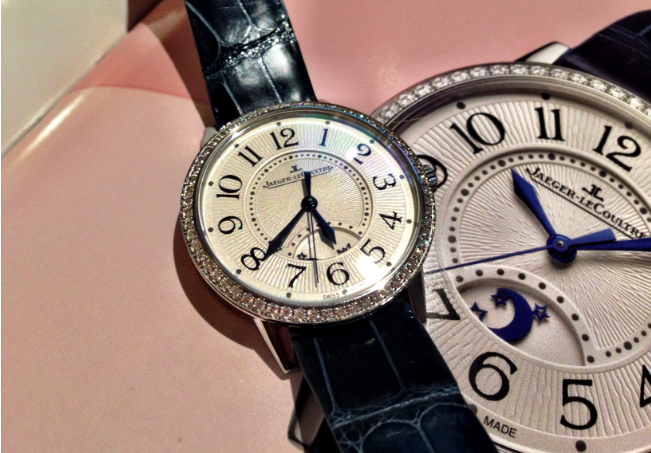
天津积家售后中心分享:“积家手表异响如何维修?(手表异响的解决方法)”在使用过程中,有时我们可能会遇到手表异响的问题...详细
天津积家维修中心分享:“如何清洗积家手表的表带?(表带的清洗方法)”积家手表以其精美的设计和卓越的品质而备受赞誉。然而,...详细
Entendimiento profundo y https://spinmama-134.web.app para el desarrollo infantil temprano La Importancia de la Es...详细
 0 次人


接待时间:09:00-19:30
礼宾专线:400-992-0312
总部:天津市和平区赤峰道136号天津国际金融中心26层2603室(需提前预约)
网站备案/许可证号:湘ICP备2025135757号-7
版权所有: Copyright ©
2018-2032
XML